Fendi SS 2021

PESTO AL LIMONE

Adele Fendi’s secret recipe

Fendi EFFE 1925 pasta

Photography by Antoine Harinthe

In the spirit of family togetherness and the Roman heritage that inspired her Spring Summer 2021 runway show in Milan this season, Silvia Venturini Fendi treated show guests and friends of Fendi watching at home with a little taste of Italy. Along with an invitation to watch the show online, Fendi sent her physical and digital attendees a pack of EFFE N°1925 logo pasta (made in collaboration with RUMMO) along with the detailed recipe of her grandmother’s lemon pesto pasta to cook and enjoy at their leisure. Also inside the box, an ajouré linen napkin-turned-envelope held limited-edition prints of Silvia’s Fendi family portraits photographed by artist Nico Vascellari at home in Rome.

A Magazine documented the Roman recipe in the following images photographed by Antoine Harinthe, with set design by Antoine Grulier.

Fendi EFFE 1925 pasta by Rummo

Photography by Antoine Harinthe

Pesto Al Limone

Preparation time: 20 minutes
Serves 4 people

Ingredients

500g EFFE N°1925 Fendi pasta
180g of fresh green and black basil leaves
Two small cloves of garlic, chopped
200g grated 36-month Parmigiano Reggiano
150g grated Roman pecorino
50g organic pine nuts
200ml Ligurian extra virgin olive oil
The peel of 1 Amalfi lemon of 150g
A handful of Zibibbo raisins
100g red grape tomatoes, quartered
100g yellow grape tomatoes, quartered
1 bunch of rocket, washed and dried
Salt and pepper

Red & Yellow Tomatoes

Parmiggiano Reggiano, 36 months

Garlic

Ligurian Extra Virgin Olive oil

Roman pecorino

Fendi EFFE 1925 pasta

Instructions

  1. Soak the raisins in warm water for 1 hour.

  2. Wash the basil, leaf by leaf.

  3. Blend the basil with the garlic, grated lemon peel, parmesan and pecorino. Add 2/3 of the pine nuts to the mixture and blend again. Season with salt and pepper to taste.

  4. Cook the EFFE N°1925 pasta in fast boiling water with a handful of coarse salt. Drain after 6-8 minutes. (Silvia’s recommendation: 6 minutes, for a real ‘al dente’ bite!)

  5. Dry roast the remaining pine nuts in a non-stick pan.

  6. Carefully stir in the drained pasta with the pesto, chopped tomatoes, raisins, toasted pine nuts and top with rocket.

  7. Season with a sprinkle of parmigiano, and a pinch of peperancino (chili) for the more adventurous cook!

Soak the raisins, grate the lemon peel, and wash the basil.

The finished result, displayed on Fendi’s ajouré linen napkin

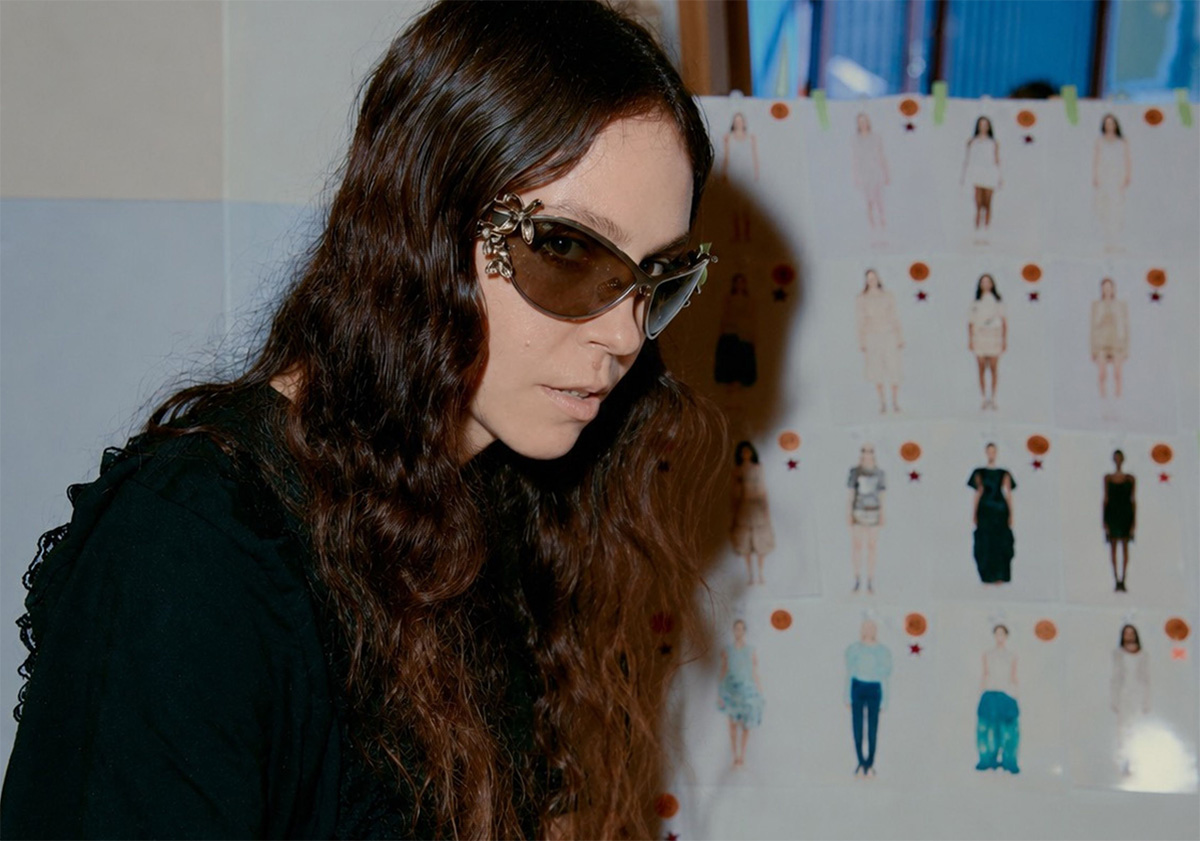
Once you’ve tried the recipe, discover the Fendi Spring Summer 2021 collection photographed exclusively backstage in Milan by Adam Katz Sinding below. With remarkable lightness and ease, the clothes show reassuring gradients of pale blue, orange and natural tones, and with a scenography of floating curtains, was reminiscent of spring days spent at home with loved ones.

Fendi SS 2021 backstage, photography by Adam Katz Sinding, Milan

Read More

Cover of Article "Sacred Grounds"

Sacred Grounds

Driven by the concept that stadiums are modern-day temples, British artist and architect Jayden Ali invited the architect behind the Tottenham Hotspur Stadium, Chris Lee, and Spurs Women’s footballer, Lenna Gunning-Williams, to examine the physical spaces of sports.

Read more

Cover of Article "A Studio Visit Zoe Gustavia Anna Whalen"

A Studio Visit Zoe Gustavia Anna Whalen

‛Each human choice made along the way to that final product leaves an immaterial imprint. In forming a ready-to-wear business, I think we can create positive change by making more objects that possess that powerful energy simply by slowing down and growing with intention. Being highly intentional about what materials are used, who is sewing the garment, and who is making the pattern, every step of intentionality creates a final result that deeply affects people.’

Read more

Cover of Article "A Kind of Qurama"

A Kind of Qurama

For decades, the region has been presented to the outside world through a familiar set of images: silk roads and textiles, nomadic traditions and craft, ornament and folklore. While these references remain an important part of the story, they can obscure a more complex reality. The countries that make up Central Asia have spent the last century negotiating dramatic political and cultural change. Centuries-old traditions, the experience of Soviet modernity and the decades following independence all continue to shape contemporary life. It is perhaps unsurprising, then, that questions of memory, inheritance and belonging recur so frequently in the work of the designers emerging from the region today.

Read more

See all Articles

A News in your inbox